
A fashion brand posts a reel that gets 80,000 views. The team celebrates. The next day, the store counts five extra customers and the website gets two orders.
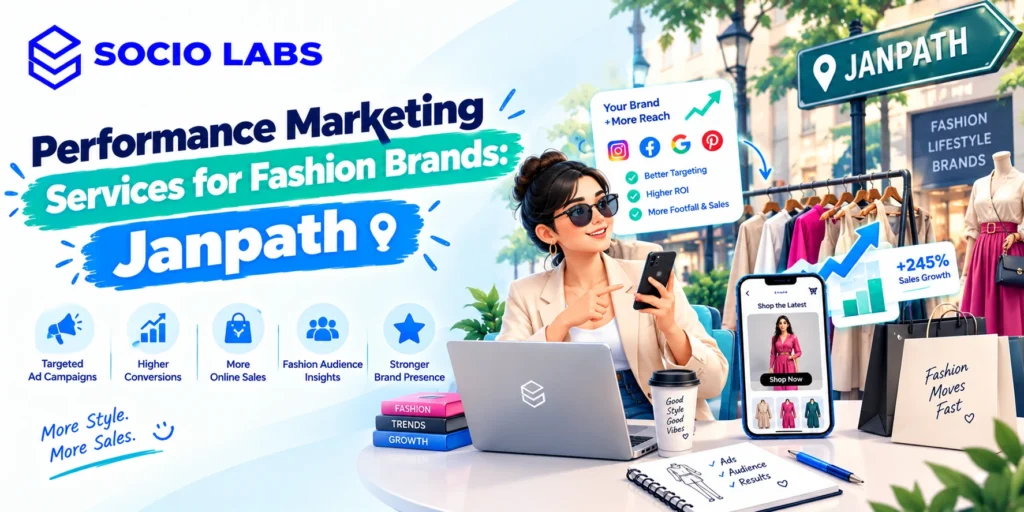
Views are easy to get in fashion. Buyers are harder. That is the gap performance marketing services for fashion brands should close. This blog explains what the service includes, how to plan around seasons, and which numbers show whether it is working.
What Do Performance Marketing Services Do for a Fashion Brand?
Performance marketing means you pay for ads and judge them by results, such as orders, store visits and enquiries. Views and likes matter less.
For a fashion brand, the service usually covers:
- Tracking. Linking orders, calls and WhatsApp chats to the ads that caused them.
- Paid ads. Running Instagram, Facebook and Google ads.
- Creative testing. Trying different photos, reels and offers to see what sells.
- Store and product page fixes. Making it easier to choose a size and buy.
- Return reduction. Cutting orders that come back because of fit or colour.
- Repeat sales. Bringing past buyers back for the next season.
Nobody can guarantee sales. Results also depend on your designs, price, reviews and delivery. A good service finds what works and stops money from leaking.
Why Fashion Ads Get Attention but Not Always Sales
Fashion is a visual product. People scroll, like and save, and then forget. Many only buy when they need an outfit for a wedding, a festival or a trip.
Two things make fashion tricky.
First, fit and look. A shopper cannot touch the fabric or try the size. So they hesitate, or they order and return. Returns cost you shipping, handling and sometimes the product itself.
Second, timing. A summer collection promoted in the wrong month wastes budget. Demand can jump around festivals and wedding season, and then drop fast.
Good performance marketing plans for both.
What Performance Marketing Services for Fashion Brands Include
Plan campaigns around the fashion calendar
Fashion sells in waves. Think of festive weeks, wedding season, summer and winter launches, and sale periods.
A good service plans these months ahead. It builds new creative before the peak, raises the budget when demand rises, and cuts back when it falls. Starting ads on the first day of a festival is usually too late.
Set up tracking before spending more
Tracking means recording where each order, call or message came from. Without it, you cannot tell which ads work.
For fashion, track website orders and WhatsApp orders separately. Also track calls and direction requests if you have a store. Many fashion sellers take a large share of orders by chat, and those often go unrecorded.
Run Instagram and Facebook ads to find new buyers
Meta Ads show your products to people while they scroll, even if they were not searching. This suits fashion well, because people discover styles visually.
The work is about testing. Try a few different reels, photos and offers at a time. Keep the winners. Retire the tired ones. Fashion creative wears out fast, so a steady supply of fresh content matters.
Use catalogue ads for people who looked but did not buy
A catalogue ad shows the exact products a person viewed on your website. If someone looked at a green kurta and left, they see that kurta again later. This is a form of remarketing, which means showing ads to people who already visited you.
It works well for fashion because shoppers often browse many times before buying.
Run Google Ads for people who are ready to buy
Google Search Ads show your brand when someone searches for something like “cotton kurta set for summer.” Google Shopping Ads show your product photo and price in search results.
These shoppers are closer to buying than someone on Instagram. Many brands use both. Meta creates interest, and Google catches people who are already looking.
Improve product pages so shoppers feel sure
A landing page is the page someone sees after clicking an ad. For fashion, it is usually a product page.
Check these things:
- clear photos from several angles, ideally on different body types
- a size guide with real measurements
- fabric details and care instructions
- real customer photos and reviews
- delivery time and a clear return policy
- a checkout that works smoothly on mobile
These details help shoppers feel sure, and sure shoppers return fewer items.
Bring buyers back with WhatsApp and email
Winning a new customer costs more than winning a second order. Retention means bringing past buyers back with new launches, restock alerts and seasonal reminders.
Get permission before messaging. Keep messages useful. Constant discounts teach customers to wait for the next sale.
Example: How a Fashion Shopper Might Decide
This is a hypothetical example, not a real client case.
Suppose a woman sees a reel for a handloom dress on Instagram. She taps through to the website, likes it, but is not sure about the size. She leaves.
Two days later, she sees an ad showing the same dress. This time she opens the page, checks the size guide, reads two reviews with photos and sees a clear 7 day return policy. She orders.
Both visits came from ads. But the second worked because the page answered her doubts. The ad got her attention. The page and the follow-up earned the order.
Common Mistakes Fashion Brands Make
Chasing views instead of buyers. A reel with huge reach but no link, offer or product focus rarely sells. Use the content to lead to a product.
Promoting every item at once. Budget gets thin. Push your best sellers and strongest margins first.
Using the same creative for weeks. People stop noticing it, and costs rise.
Ignoring size and fit information. Missing size charts cause returns, and returns cut profit.
Starting too late for a season. Ads need time to test. Begin before the peak, not during it.
Giving heavy discounts too often. This can bring buyers who never return at full price.
What Should a Fashion Brand Measure?
Likes and views are a starting point only. These numbers show whether marketing is helping the business:
- Customer acquisition cost (CAC): how much you spend, on average, to win one new customer.
- Return on ad spend (ROAS): how much revenue you earn for each rupee spent on ads. It counts revenue, not profit.
- Conversion rate: the share of visitors who buy. If 100 people visit and 2 buy, the rate is 2%.
- Average order value (AOV): the average amount per order.
- Return rate: the share of orders sent back. Check which products and sizes come back most.
- Repeat purchase rate: the share of customers who buy again.
- Store actions: calls, direction requests and WhatsApp chats, if you have a shop.
Ask for these every month, in plain words. Compare CAC with what a customer is worth over time, not only on the first order.
Does Janpath Change the Strategy?
Yes, if you have a store there. Not much if you sell only online.
Janpath is a busy shopping street in Central Delhi. Visitors and locals both shop there, and many people search for places “near me” or near Connaught Place. For a shop, this makes your Google Business Profile important. It is the listing that shows on Google Search and Maps. Keep your address, timings, photos and phone number correct, and reply to reviews.
Local ads can also help bring people to the store, especially around festivals and sale periods. But if you sell online across India, most campaigns should target by product, style and region, not just Delhi. Use local campaigns only for store visits.
If a lot of your shoppers are visitors, your online store can help them reorder or buy gifts after they go home. That is only worth building if you can ship reliably.
What Affects the Cost of Performance Marketing Services?
There is no standard price. The cost usually depends on:
- how many products and collections you promote
- which channels you use
- how many photos and reels must be made
- how much store and product page work is needed
- whether you want store-visit and local campaigns too
- how much tracking and reporting you need
Your ad budget is normally separate from the service fee. Ask who pays the ad platforms, and make sure you own the ad accounts, pixel and customer data.
When Professional Help Makes Sense
Many owners run the first ads themselves. Outside help makes sense when:
- sales rise in season but profit does not
- returns keep eating your margin
- you cannot tell which ads bring buyers
- you run Instagram, Google and WhatsApp together and cannot compare them
- nobody has time to make and test new creative every week
Look for a team that asks about your best sellers, return rate and margins before it talks about ads. It should also plan around your season, report on orders and avoid guarantees.
Conclusion
what happens after the click. Look at your product pages, size guide, return policy and how fast you reply on WhatsApp.
If you would like a second opinion, our team can review your ad accounts, store and tracking, and show you where buyers are dropping off.
FAQs
Performance marketing services for fashion brands cover paid ads, tracking, creative testing, product page fixes and reporting, all aimed at orders and store visits. The focus is on results you can measure, not likes or views. Good services also help bring buyers back.
Neither is better for everyone. Instagram and Facebook ads help people discover your styles. Google Ads reach people already searching to buy. Many fashion brands use both, with Meta for discovery and Google for ready buyers.
There is no fixed price. Cost depends on the number of products, channels, creative needs, store work and reporting. Ad spend is usually separate from the service fee. Ask for a written scope and compare the work included, not just the fee.
It cannot fix every return, but it can help. Better size guides, clear photos, honest descriptions and customer reviews help shoppers choose correctly. Tracking returns by product and size also shows which items need work.
Start well before the peak, often several weeks ahead. Ads need time to test creative and find what sells. Starting on the first day of the season usually means higher costs and less learning.